
Through The Smoke and Mirrors
Food History, Racism, Resilience and the Future


By Sean Sherman
*disclaimer: I apologize for any grammatical errors and misspellings as I am a rookie writer at best, but I don’t apologize for my thoughts and opinions like Fuck Trump and Fuck Elon Musk.
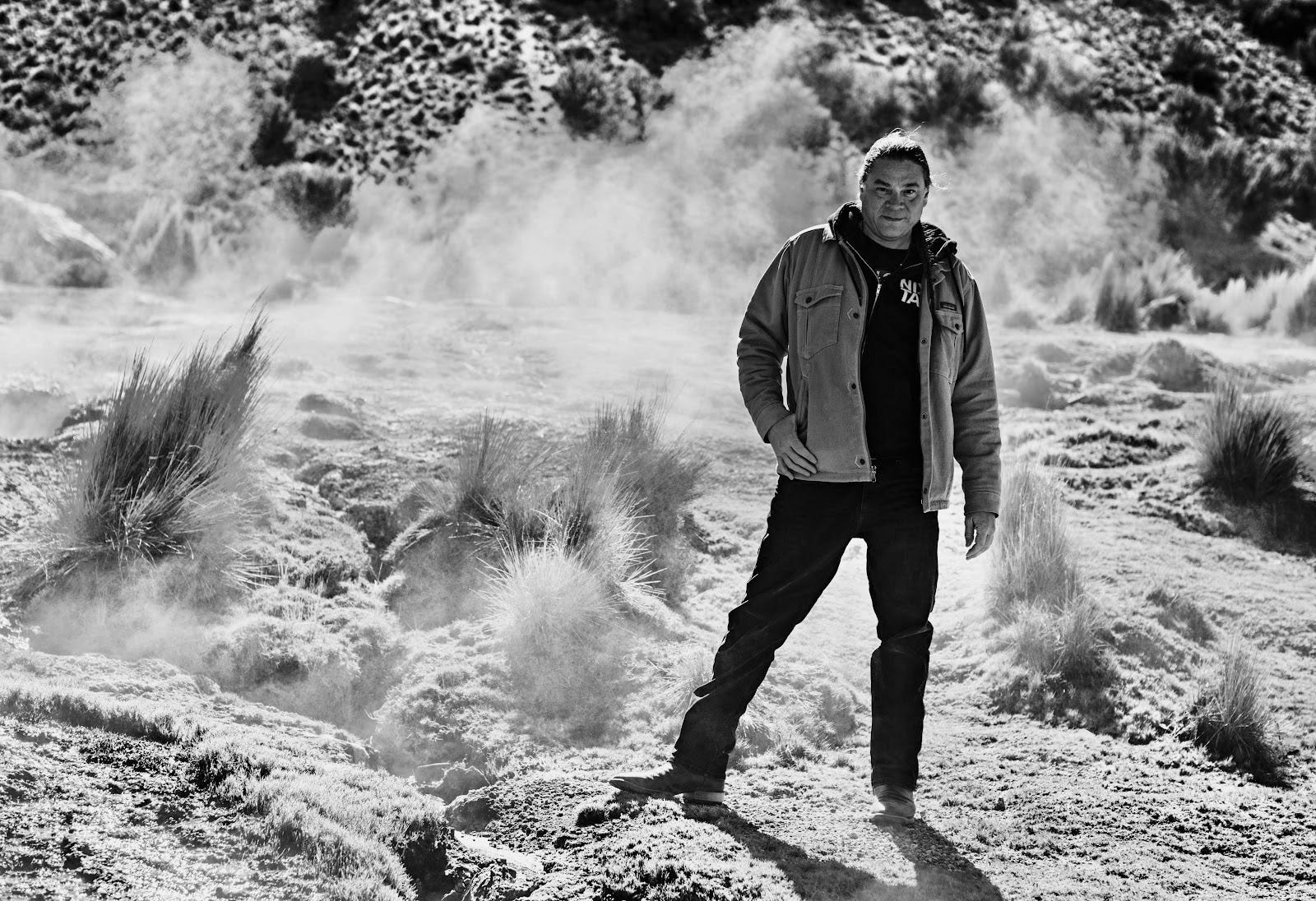
Through The Smoke
Food History, Racism, Resilience and the Future
FOOD IS:
Identity
Language
Culture
Life
Pleasure
Art
Sensuality
Always Evolving
But modern food is highly colonized.
(Definition - “Colonization”: The policy or practice of acquiring full are partial political control over another country/culture and exploiting in economically)
The stories we’re told about what we eat– and where it comes from—have long been distorted by colonialism, capitalism, and white supremacy. Across the Americas, the true history of food largely remains buried amongst whitewashed Instagram travel reels, beneath over-gentrified Michelin stars, and sanitized narratives of “fusion cuisine.”
But when we begin to clear away the smoke of colonial myths, we can start to see what has always been there: a legacy of resilience, innovation, rooted knowledge that predates conquest and outlasts oppression, deep connections to our land spaces, and immense plant and protein diversity rarely touched by the western diet.
The importance of understanding the origins of our foods is integral to our path of creating true legacies around our global foods. Know where your food comes from when you visit your favorite restaurant or when you walk through your grocery store. Think about where your food dollars go, and who you are supporting. Don’t be afraid of history. Food history is one of the most wonderful histories to learn.
FRY BREAD
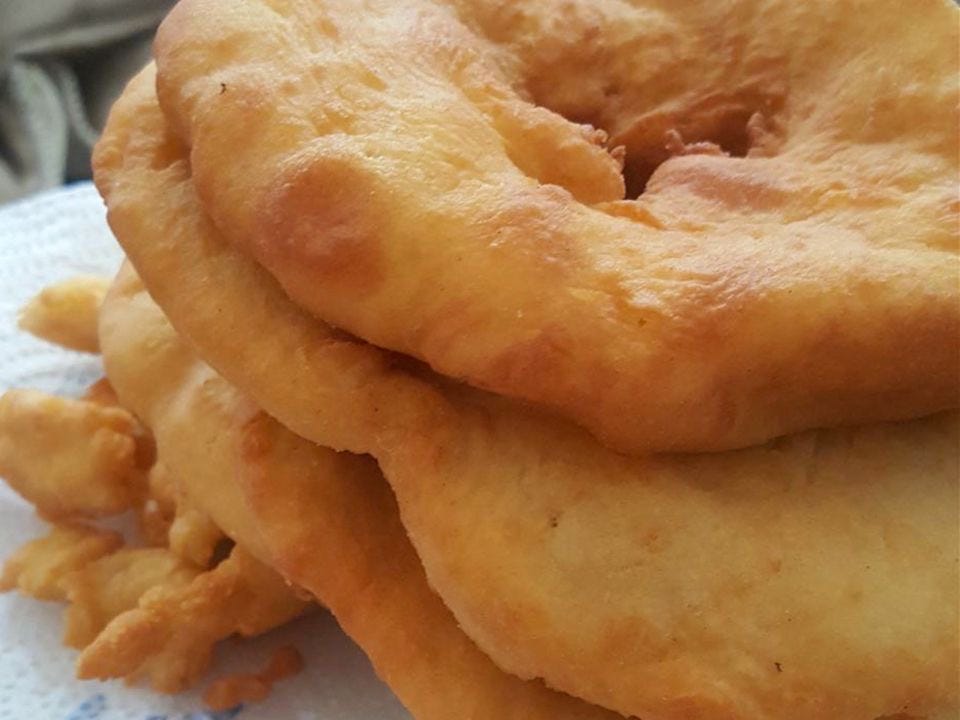
I want to start where I started in food history that began to change my perspective: with fry bread.
When I was growing up on Pine Ridge, fry bread was so loved. If you aren’t familiar, fry bread is what it sounds like a simple dough formed usually with a slit in the middle and fried in oil on both sides. It was our comfort food, our celebratory food, our fundraiser food, our gathering food. It is still highly celebrated and it is often called “traditional.” But what I came to understand later is that fry bread’s roots didn’t go that deep– it really isn’t traditional at all, and it was a food of survival. It’s what our ancestors made when they were forced onto reservations, cut off from traditional foodways , and given bags of flour, lard, and sugar by the U.S. government.
Fry bread represents adaptation under duress. It’s not a pre-colonial dish but a post-trauma one, and a reminder of the poverty, coercion, and forced dependence that many Native people endured and still endure. And yet it has come to symbolize Native cuisine in the popular imagination. Why? Because the deeper traditions tied to wild plant knowledge, bison, whale, cactus, corn, and many more were stripped away, co-opted, criminalized, or forgotten by many.
The problem isn’t that fry bread exists. The problem is that it became the placeholder for everything we lost across the tapestry of Indigenous communities. We aren’t here to bash fry bread, but to look past it, to a future where Indigenous communities can choose their own paths to include or exclude fry bread. Either way, it shouldn’t be the sole food identifier of the hundreds of tribes across the US and Canada. Knowing the history of your food helps to reframe everything.
This is just one example of many, of course. Think about other cultures who have also endured colonization and the foods that came out of those circumstances like the Banh Mi with Southeast Asian ingredients stuffed into a French baguette, or Tacos al Pastor which was born from Lebanese refugees in Mexico blending techniques and ingredients. There’s absolutely nothing wrong with these popular dishes, but most people won’t stop to think about how they came to be.
America’s Gifts to the World
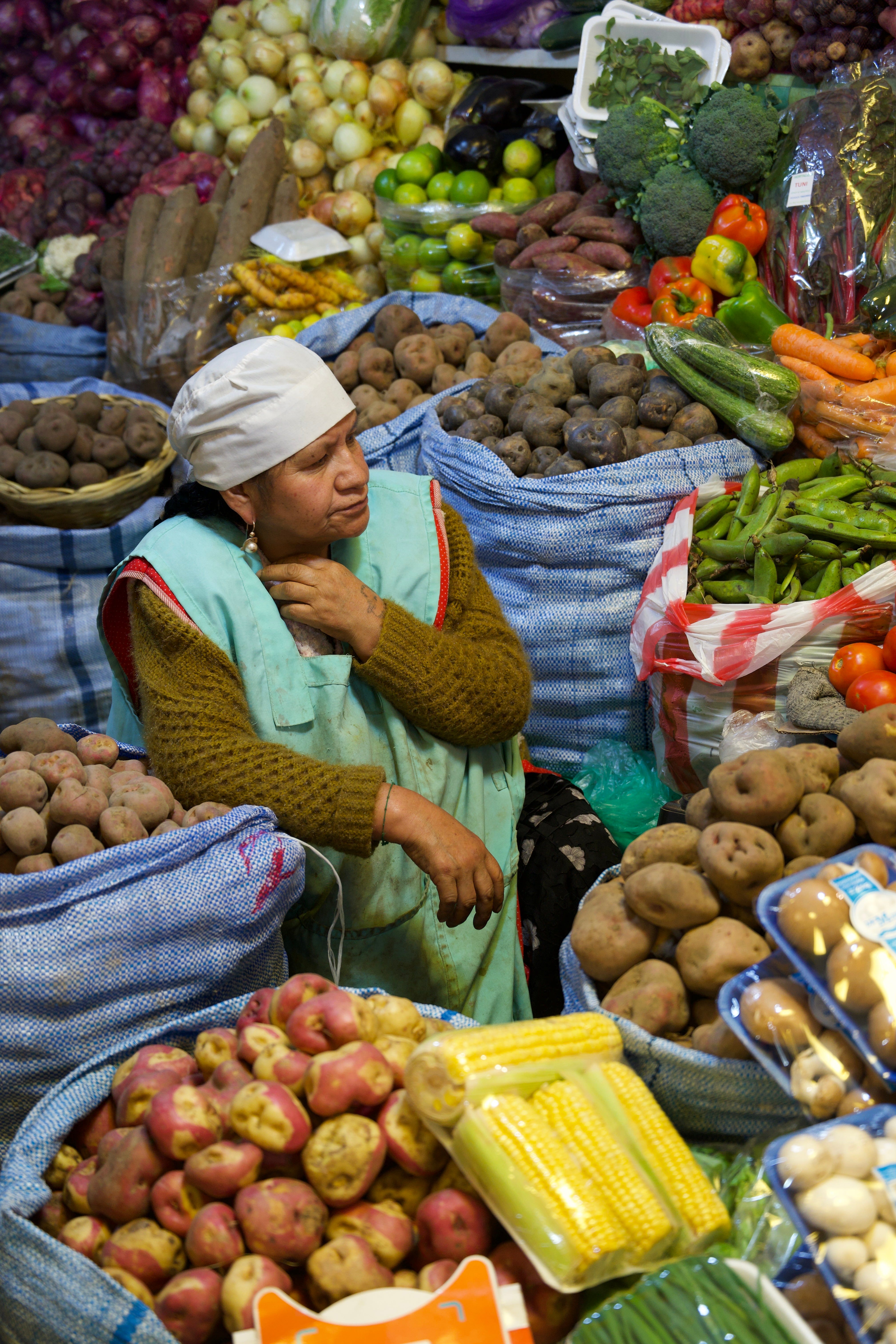
Nearly sixty percent of the world’s major food crops originated in the Americas. Let that sink in.
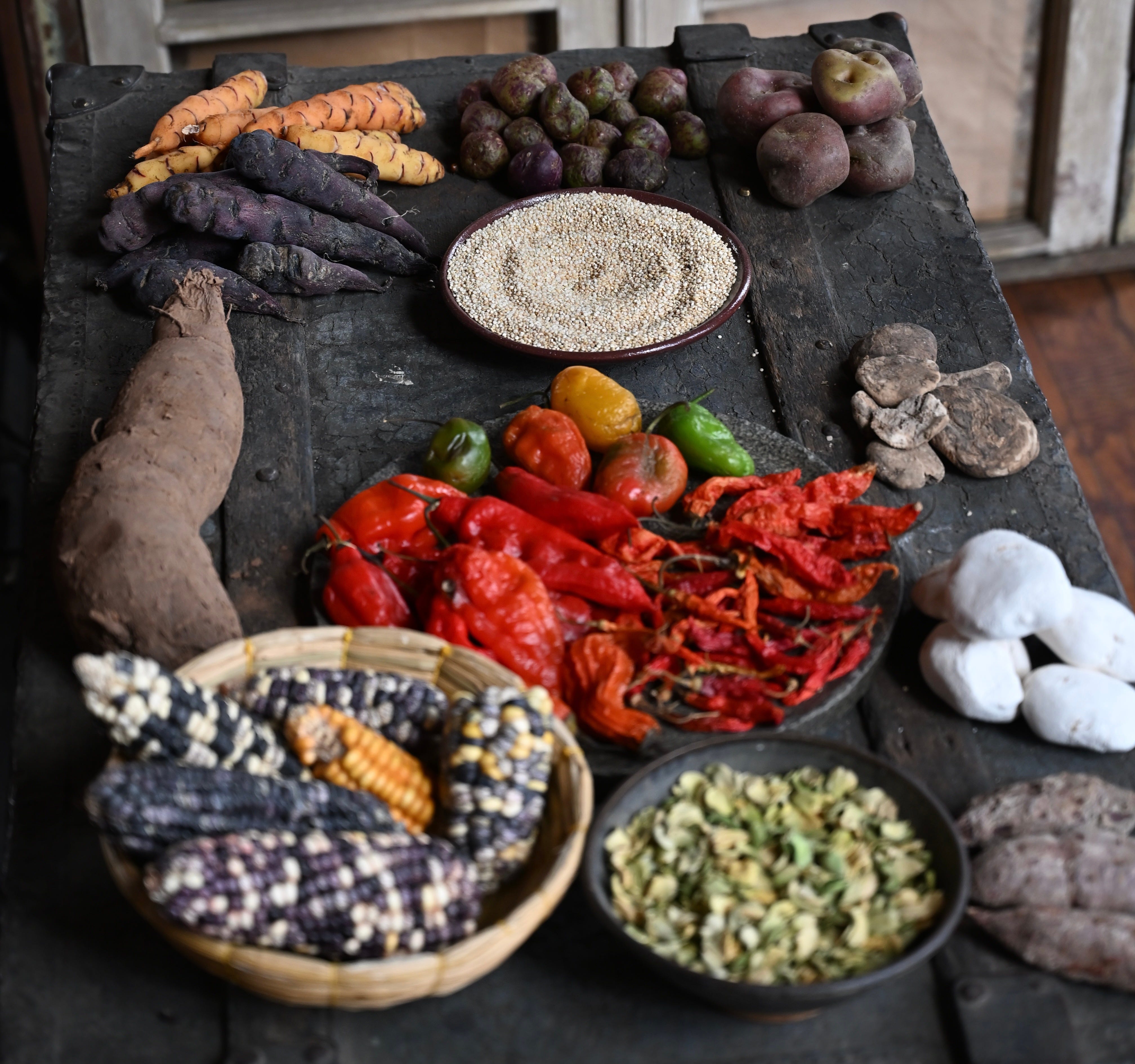
Corn. Potatoes. Tomatoes. Chocolate. Chiles. Squash. Sunflowers. Beans. Cassava. Peanuts. Vanilla. These are Indigenous foods to the Americas. Developed not accidentally, but through millennia of careful breeding, seed-saving, and intergenerational knowledge. Long before Columbus got lost, Indigenous peoples in the Americas were masters of many things including agricultural scientists, mastering the art of sustenance across deserts, swamps, mountains, and rainforests with diverse seeds.
Corn alone has over 500 varieties, from the high-altitude strains of the Andes in South America to the flint corn of the Missouri River Valley in the stolen lands currently known as the USA. Potatoes? Over 4,000 traditional varieties in the Andes alone. And let’s not forget chiles, which have become traditional in so many world’s cultures and traditionally were cultivated not just for spice and flavor but for medicinal, ceremonial, and even spiritual uses.
And yet, how often are these foods acknowledged in global food media as American Indigenous innovations? Instead, they’re rebranded: a trendy “Peruvian purple potato” in a New York restaurant, or a “Mexican chocolate torte” made with zero recognition of the Nahuatl or Mixtec farmers who first transformed cacao into life-giving food, not just empty and over- processed candy.
The erasure of food with its cultural significance intact has been intentional and structured. Foods from the Americas have fed the world for centuries, but their origin stories and the people who still care for them have been typically erased from the global table conversation. Colonization is typically credited with the “discovery” of these foods, and many cultures across the globe have adopted these foods into their own histories and traditions like paprika, pomodoro, and pomme frites, but what are their true origins? And can those cultures give a nod to the Indigenous communities from whom the pepper, the tomato and the potato really came from?
African Expertise and the weaving of African and Indigenous Food-ways
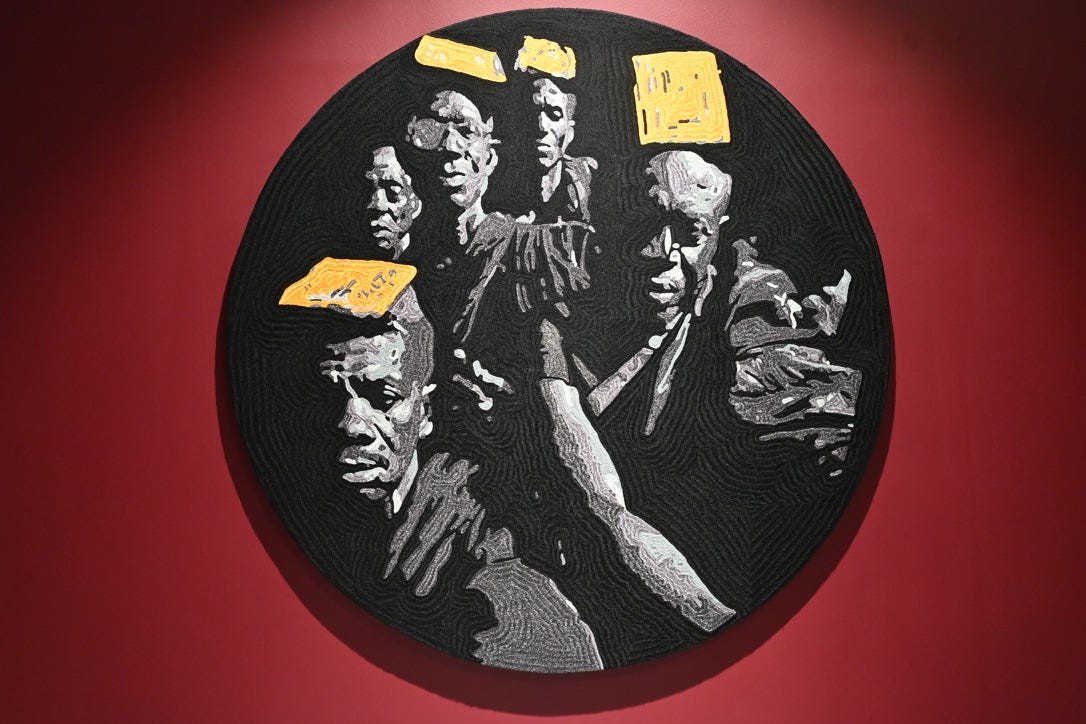
The transatlantic slave trade wasn’t just an atrocity of human bondage, it was also a theft of skills, seeds, and deep agricultural wisdom. West African communities had sophisticated systems of agriculture, cultivation techniques, fermentation, spice blending, and traditional food preservation methods that European colonizers took as their own.
When enslaved Africans were brought to the Americas, they brought more than just their bodies. They brought culinary genius, flavor, diversity and know-how. These traditional foods that are now staples here in America. Okra, black-eyed peas, sesame (benne), watermelon, and yams are some examples along with the techniques to stew, smoke, ferment, and season with complexity. The foundations of what we now call US Southern food like gumbo, red beans and rice, corn on the cob, and barbecue, are both African and Indigenous at their roots.
But even these foods have gone through colonization. Upscale Southern restaurant menus in gentrified neighborhoods run by white people that never acknowledge the true origins of where their recipes came from is an example. The countless and nameless hands that stirred the pots under the stress of whips and chains will never be mentioned. African influence in the American culinary canon lives in every kitchen, but how often do we see or name that lineage?
Reclaiming food history means honoring not only what was taken, but also acknowledging who had the strength to make survival delicious and beautiful in spite of the trauma handed down through generations. For Black and Indigenous descendants in the Americas, gifts of food represent our strength, connection to our ancestors, and legacy we will pass on to our unborn grandchildren.
Culinary Tourism + Culinary Justice

Let’s talk about food tourism.
Millions travel each year in search of “authentic” food experiences. But whose authenticity is being consumed—and who’s benefiting? All too often, cultural food becomes a performance for outsiders: tacos reimagined by white chefs, poké bowls at chain restaurants, Indigenous “inspired” menus that never touch Indigenous hands.
We’ve seen it everywhere, from the beaches of Hawaii to the Grand Canyon of the US to South Africa. Culinary tourism thrives on the promise of cultural immersion, but rarely invests in the communities whose land was stolen, let alone those who created the food in the first place. Instead, it extracts stories, recipes, and labor, turning culture into nostalgic content, again for the purpose of economic gain for the already wealthy land and property owners.
Tourists walk away with memories and selfies leaving reviews saying the meal they had at their hotel in Waikiki was the most authentic Hawaiian must try meal they’ve ever had. Corporations make billions of dollars off of this phenomenon. In return, locals get long working hours and low paycheck to paycheck income. Local Indigenous producers are constantly left out of the equation.
There’s a deep hypocrisy here. The same dishes that were once looked down on as “ethnic,” “dirty,” or “low-class” are now celebrated, as long as they’re filtered through the right (usually white) lens. The same Indigenous foods once banned or stigmatized are now marketable, if they’re made palatable for mainstream tastes.
If we’re serious about food justice, we have to interrogate who gets to tell food stories, who gets paid for them, and who gets left out. There is immense opportunity for culinary tourism to make reparations by opening doors for true culture bearers and BIPOC chefs to tell their own stories and support the cultural producers around them.
Racism and Mediocrity in the Culinary World
Let’s be real: food has always been racialized.
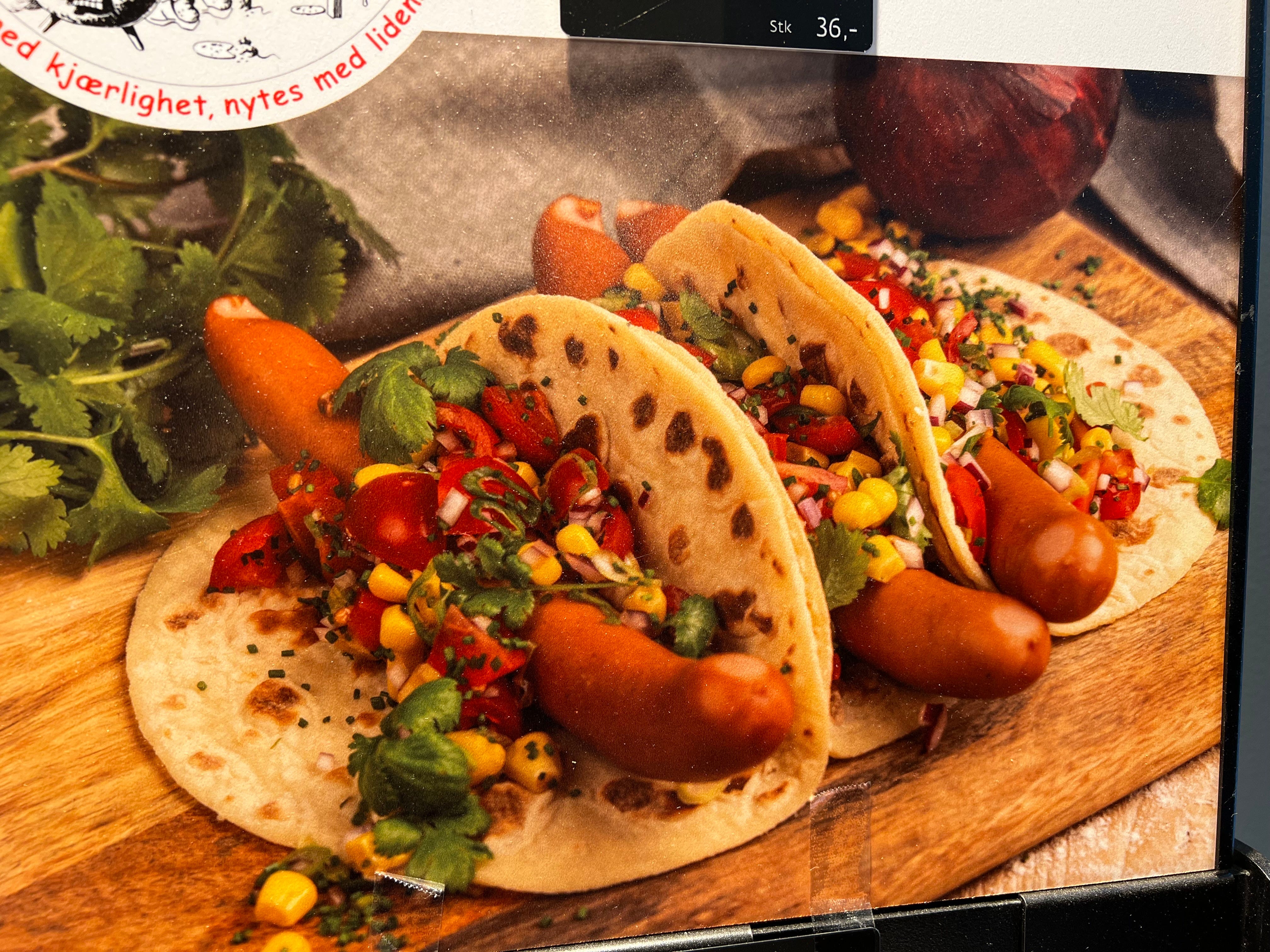
A white chef serving “Mexican street food” is called creative. A Black or Indigenous cook doing the same might be called unrefined, or ignored altogether. Restaurants run by people of color struggle to get ahead, while white chefs are praised for “discovering” cultures and cuisines that have nothing to do with them..
(Definition: “Columbusing” - the act of “discovering” and claiming something for the Euro-centric crowd that people of color have been celebrating for countless generations)
Even within food media, there’s a painful hierarchy. Eurocentric fine dining gets the awards. “World cuisine” gets the novelty treatment. Writers from marginalized communities are often only brought in to speak on heritage, not innovation.
Example: Every November I get countless requests to share an Indigenous perspective of US Thanksgiving foods, the one time of year everybody needs an Indian.
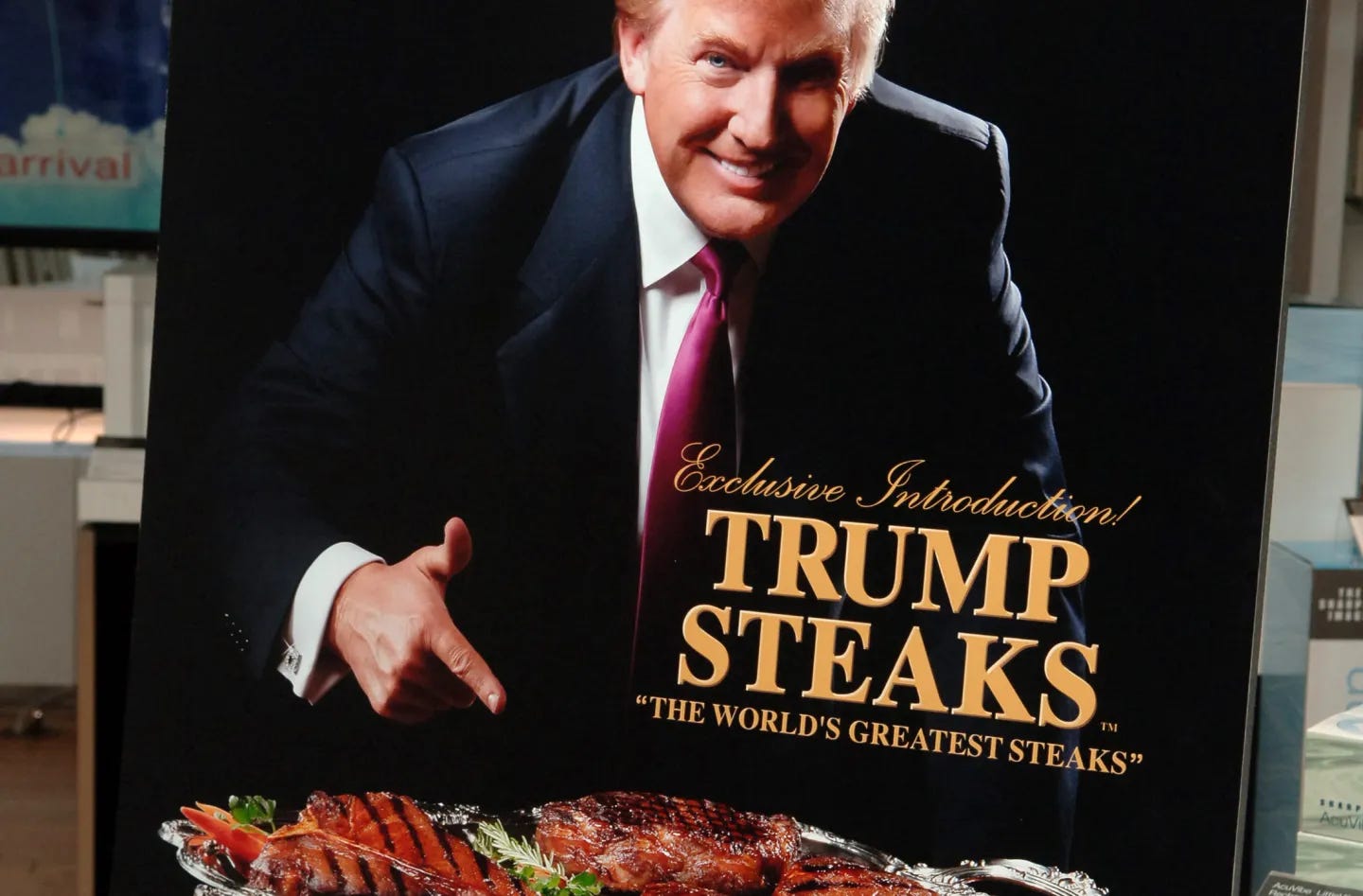
The result is a food world where whiteness is the invisible norm, and everyone else is flavoring, especially now in the US as so many media outlets are spinelessly cowering to the undoing of DEI programs and stories by our racist wannabe president.
This is not accidental. It’s the continuation of colonial logic: to take what’s valuable from the margins and repackage it for the center. But you can’t just celebrate the cultural foods and not the people they came from.
And in some cases, it’s worse than appropriation, it’s demonization. African foods I’ve seen described as “heavy” or “greasy” in Western media. Indigenous foods are dismissed as boring “survival food.” Entire food cultures are judged by their perceived ingredients, smell, or spice level– coded language for racism.
Until we confront how deeply white supremacy has shaped our tastes, our restaurants, and our ideas of “good food,” we won’t get free.
A Decolonized Kitchen
So what do we do with all this?
First, we remember. We honor. We name. We learn.
We return to the original names of ingredients. We buy directly from Indigenous, Black and other BIPOC producers. We support food sovereignty movements. We challenge culinary gatekeepers. We ask deeper questions at the dinner table.
Decolonizing your plate doesn’t mean never eating pho or fry bread or white tacos. It means asking:
Who made this?
Where did the ingredients come from?
Who is being honored?
Who is being erased?
It also means imagining new ways forward. What does a truly just food system look like? One where Indigenous communities grow traditional crops in restored landscapes? Where African American farmers reclaim land spaces stolen from their grandparents and are offered the same financial support as white farmers? Where chefs of color don’t need to assimilate to be seen as masters?
We can’t change the past. But we can plant seeds now that will grow new futures– futures centered on humanity, taking the time to listen to global Indigenous communities, understanding our place on this earth, pushing away from destructive and racist colonial structures and thinking about a healthier global community.
Decolonizing our plate is not about trying to reverse time and cook as our ancestors did, but to take the time to listen and learn from our ancestors who gave us the opportunity to continuously evolve ourselves., To create future identities to become stronger, more resilient, and to claim the license to be creative, leaving a better world behind us.
Food is political, Racism is stupid
Despite all the racist bullshit, I remain hopeful.
Every seed saved, every story remembered, every act of culinary resistance, these are the roots of something better. We need a global archive dedicated to preserving global Indigenous knowledge bases, especially around food systems. To cook in a way that heals history and communities, not dehumanizes or hides it.
Food Sovereignty is about reclaiming control of our food systems, pushing back against the governmental control that has inhibited so many Black and Indigenous cultures to thrive. It’s about reaking the rules that dictate where we can grow and harvest foods, which plants we can and cannot eat, and inaccurate historical education
Now is the time for a global awakening. White supremacy is in its last throes of power and dangerous as it might be, they will fall.
colonizers tried to cut us off from our food and bury us, but through strength and resilience, our knowledge and our foods survived.
“They tried to bury us, but little did they know we were seeds…”
Our legacy lives on. in the soil, in the songs, ithe kitchens and the memories of our grandmothers.
Every day is the right day to start to build a better future, so what are you waiting for?
-Sean
I, Too
I, too, sing America.
I am the darker brother.
They send me to eat in the kitchen
When company comes,
But I laugh,
And eat well,
And grow strong.
Tomorrow,
I’ll be at the table
When company comes.
Nobody’ll dare
Say to me,
“Eat in the kitchen,”
Then.
Besides,
They’ll see how beautiful I am
And be ashamed—
I, too, am America.

“You can’t just celebrate the cultural foods and not the people”
So true. What a powerful article. So important. I crave the education that our indoctrinated schools denied me.
When I taught, I sought histories and narratives of native Americans to offer my white students a more clear picture. It wasn’t a standard in the curriculum, but I made it a primary focus. I guided them through Bruchac novels and we built quinzhees when a heavy snow fell. It was difficult to persuade the principal that this was safe, but he finally got on board.
Thank you for educating me today. About the fry bread’s… I felt something was amiss, but had no source to explain. So I just wondered… fry bread’s cultural importance confused me because I wondered about all the white flour. That didn’t seem particularly Native American. Now it makes perfect sense. The government provided nutrient-weak supplies and the people shoved onto the Reservations made them work anyway, and even turned those ingredients into a tradition as a hallmark of survival. I kneel in awe of the enduring strength of indigenous people in America that most white immigrants know nothing about.
Nothing lacking in your writing skills, friend. I only wish I’d been taught the true language of the land in schools built on this soil.
Thank you.
I really like “The problem isn’t that frybread exists. It’s that it became a placeholder…for all that was lost”.